Zero to One
This one is on the production list — the three-minute video isn't out yet. Want it sooner? Tell us: hello@distilshelf.com with "Zero to One" in the subject.
 3:04
3:04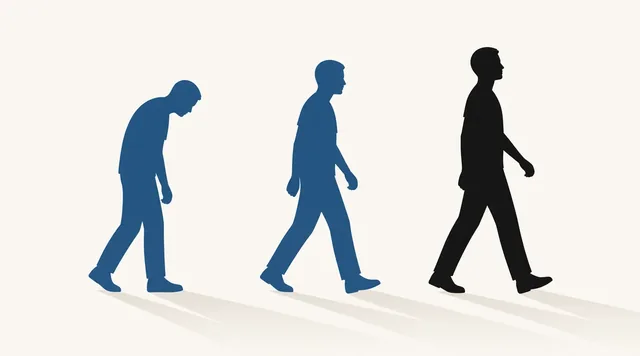 3:41
3:41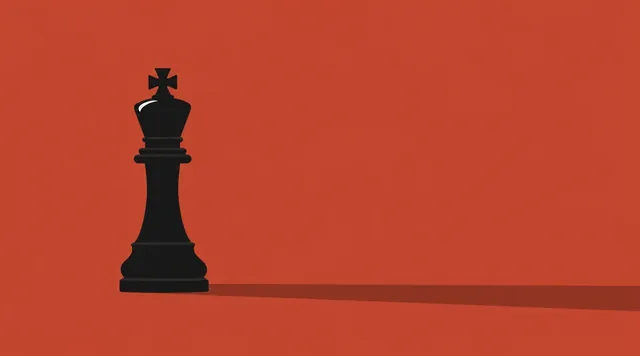 2:52
2:52 3:16
3:16What is Zero to One about?
Zero to One is Peter Thiel's contrarian startup philosophy, compiled with Blake Masters from Thiel's Stanford lectures. Its thesis: real progress means creating something new, going zero to one, not copying what works. Thiel argues competition destroys profits and founders should build creative monopolies, dominate small markets first, and pursue secrets, definite visions of the future nobody else believes.
Key ideas from Zero to One
Competition Is for Losers
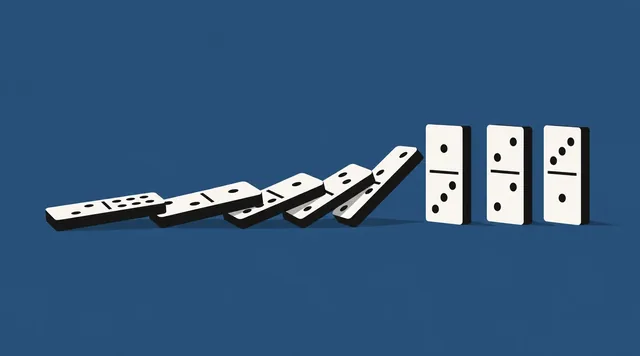
Thiel inverts business orthodoxy: perfect competition erodes all profits, while durable value comes from monopoly built through proprietary technology, network effects, scale economies, and brand. Escape competition by being ten times better, not incrementally better.
Start Small, Monopolize
Dominate a small, specific market first, as PayPal did with eBay power sellers, then expand concentrically. Chasing a tiny slice of a huge market is the classic startup error; owning all of a small one is the winning opening move.
Secrets and Definite Optimism
Great companies are built on secrets: important truths few people agree with you on. Thiel blames stagnation on indefinite optimism, believing the future will improve without a plan, and argues founders need a definite, contrarian vision they commit to.
Lines worth keeping
- Copying what works takes the world from one to n; only creating something new takes it from zero to one.
- Every great company wins by escaping competition, then spends its PR budget denying it is a monopoly.
Is Zero to One worth reading?
Read it fully; it is short, genuinely provocative, and the rare business book with an actual worldview. Treat it as philosophy, not instruction: Thiel generalizes from outlier companies, some pronouncements have aged badly, and the great-founder mythology deserves skepticism. Even where he is wrong, he is wrong in ways that sharpen your own thinking.
Peter Thiel · 2014 · Business & Startups · Distilshelf editorial · Updated August 2026