The 8 Best Psychology Books for Understanding Your Mind
Skip the textbook: these eight books cover the mind's machinery, its bugs, and its exploits, each written by the researcher who did the original work or the writer who made it legible. Ranked by how much they change what you notice the week after reading.
What is the best psychology book for a general reader?
Thinking, Fast and Slow by Daniel Kahneman is the most complete map of how your mind actually works, written by the researcher who won a Nobel for it. If its density puts you off, start with Influence by Robert Cialdini, the most immediately useful book on the list.
| # | Book | The core idea | Watch |
|---|---|---|---|
| 1 | Thinking, Fast and Slow | Your quick mind is confident. Not correct. | 3:48 |
| 2 | Influence | Psychology & Thinking | soon |
| 3 | Predictably Irrational | Psychology & Thinking | soon |
| 4 | Mindset | Ability grows where you believe it can. | 3:11 |
| 5 | Think Again | Rethink your opinions before they think you. | 3:16 |
| 6 | The Righteous Mind | Psychology & Thinking | soon |
| 7 | Flow | Psychology & Thinking | soon |
| 8 | Quiet | Psychology & Thinking | soon |
1. Thinking, Fast and Slow
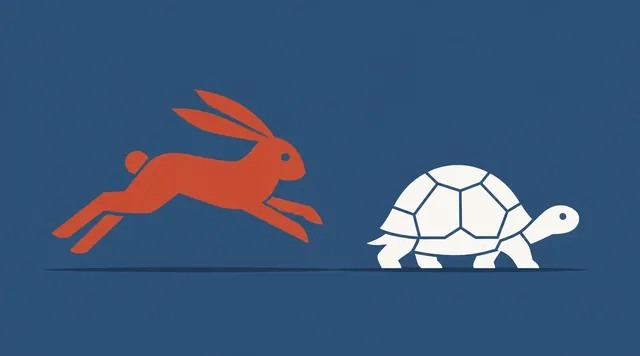
The map: fast intuitive System 1, slow lazy System 2, and the catalogue of biases born in the gap. Dense, occasionally repetitive, unmatched.
Watch the 3:48 summary →2. Influence

Cialdini's six weapons of persuasion, reciprocity, scarcity, social proof and friends. You will spot them in every ad and email within a day. The most practical book here.
See the book page →3. Predictably Irrational
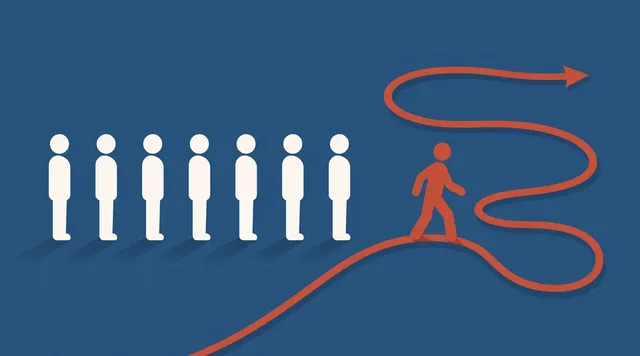
Ariely's experiments on why we misprice everything, from free shipping to first dates. The funnest entry point to behavioural economics.
See the book page →4. Mindset

One belief, fixed versus growth, with decades of evidence that it quietly decides what you attempt. Essential for anyone who teaches, parents or self-criticises.
Watch the 3:11 summary →5. Think Again
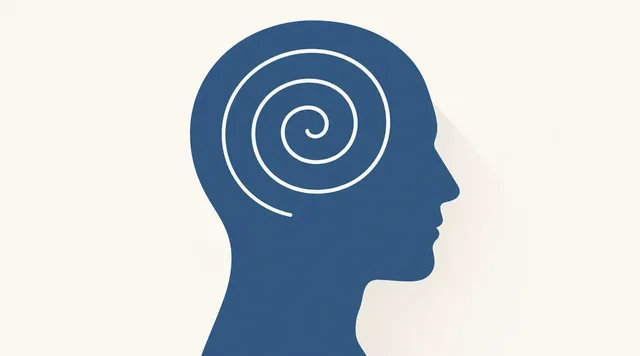
Grant on the skill nobody teaches: updating your opinions. Confident humility and thinking like a scientist, delivered warmly enough that you actually try it.
Watch the 3:16 summary →6. The Righteous Mind
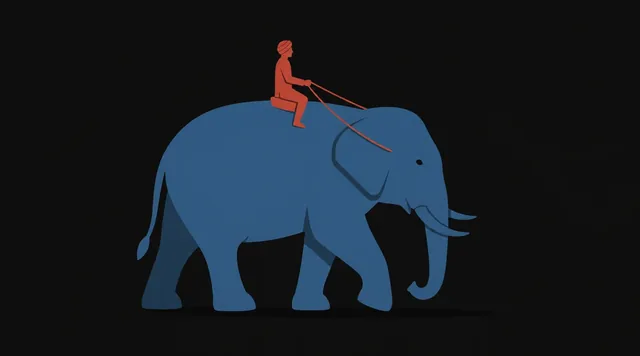
Haidt on why good people disagree about politics and religion: intuition first, reasoning second. The book most likely to make you argue better with family.
See the book page →7. Flow

Csikszentmihalyi on the state where attention, challenge and skill lock together. The optimistic counterweight to the bias catalogue above.
See the book page →8. Quiet

Cain's case for introverts in a culture built for extroverts. Half psychology, half permission slip, fully deserved its decade of resonance.
See the book page →Distilshelf editorial · Updated August 2026