Rich Dad Poor Dad
“Assets feed you, liabilities eat you. The rest is repetition.”
The curious with three minutes. You get the core ideas and decide for yourself.
Anyone wanting the full argument - that is what the book itself is for.
What is Rich Dad Poor Dad about?
Rich Dad Poor Dad is Robert Kiyosaki's contrast between two father figures: the educated dad who worked for pay cheques, and the rich dad who made money work for him. Its lasting lessons are simple: buy assets, not liabilities, mind the difference, and treat financial literacy as a skill school never taught you.
Key ideas from Rich Dad Poor Dad
Assets feed you, liabilities eat you
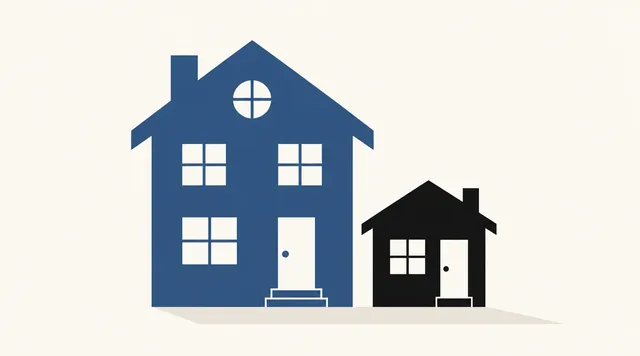
The book's one durable definition: an asset puts money in your pocket, a liability takes it out. The house, the car and the lifestyle upgrades mostly sit on the wrong side of that line.
Escape the earn-and-spend loop
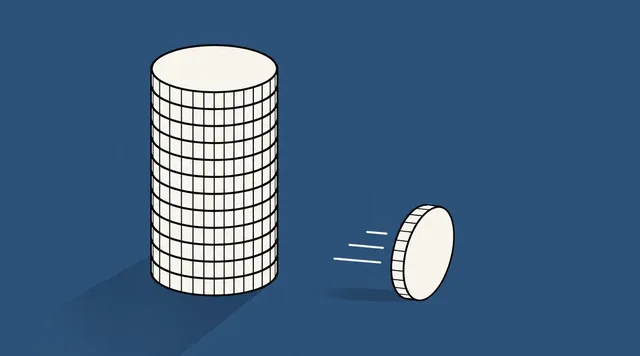
Kiyosaki's rat race is earning more only to spend more, forever one pay cheque from trouble. The exit is routing income into things that generate income, until the assets pay for the lifestyle.
Slogans need scepticism
The ideas motivate, but the book is more slogan than system: thin on numbers, loose with anecdotes, and its real-estate confidence has aged unevenly. Take the mindset, then learn the mechanics from drier books.
Lines worth keeping
- Buy things that pay you. Everything else is a costume of wealth.
- A motivating half-truth still needs a spreadsheet behind it.
Is Rich Dad Poor Dad worth reading?
Skim it. As a mindset kickstart it has probably launched more investing journeys than any book alive, and the asset-versus-liability lens is genuinely useful. As financial advice it is vague and sometimes reckless. Get the lens from the video, then graduate to The Simple Path to Wealth.
Robert Kiyosaki · 1997 · Money & Wealth · Distilshelf editorial · Updated August 2026