Homo Deus
This one is on the production list — the three-minute video isn't out yet. Want it sooner? Tell us: hello@distilshelf.com with "Homo Deus" in the subject.
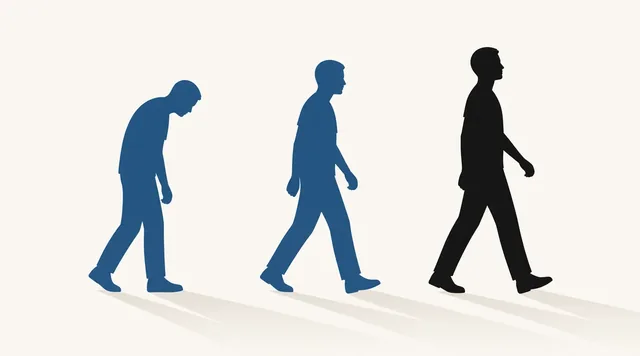
What is Homo Deus about?
Yuval Noah Harari, following Sapiens, looks forward: having largely tamed famine, plague, and war, humanity will pursue immortality, happiness, and god-like powers. He argues humanism may collapse as algorithms know us better than we know ourselves, potentially birthing a new creed, Dataism, that values information flow over human experience.
Key ideas from Homo Deus
The New Human Agenda
Harari claims humanity's old enemies, famine, plague, and war, have become manageable problems rather than fates. The next projects are defeating death, engineering happiness, and upgrading humans into something closer to gods.
Humans as Algorithms
Life sciences increasingly describe organisms as biochemical algorithms and feelings as computations. If so, external algorithms could eventually predict and manipulate our choices better than we can, undermining the authority of individual free will.
Dataism
Harari sketches an emerging worldview where value equals contribution to data flow, and humans matter only as processors. Just as humanism dethroned gods, Dataism could dethrone humans, making the universe's supreme value information itself.
Lines worth keeping
- Liberalism bet everything on the voter and the customer knowing best, and the algorithms are quietly calling that bet.
- The danger is not machines that hate us but systems that simply find our feelings irrelevant to the calculation.
Is Homo Deus worth reading?
Skim it or get the core ideas. Harari is a dazzling synthesizer and the questions about algorithms and humanism are worth sitting with, but the book recycles a third of Sapiens, and scholars fault its sweeping claims, loose sourcing, and confident futurology. The opening chapter and the Dataism material carry most of the value.
Yuval Noah Harari · 2015 · History & Civilisation · Distilshelf editorial · Updated August 2026